
Ep. 157 | Plant-Based Fact or Myth: Buying Organic Fruits and Vegetables Will Always Be More Expensive
May 12, 2026
Do you go grocery shopping and intentionally steer clear of the organic produce section? Maybe you’re retired and money is tight, so you feel you can’t afford to buy anything organic. After all, the organic product option is definitely going to be more expensive…right?
Not quite. Let’s save some money together. In this episode, we’ll talk about buying fruits and vegetables organic. Let’s see if it’s a fact or myth that organically grown produce will always be way more expensive than conventionally grown versions. I want to help you shop with confidence and enjoy plant-based eating more on a budget. Listen in!
Click Icon to Listen on Spotify

One of the biggest concerns I hear from people thinking of starting plant-based eating is the worry of how buying more fresh fruits and vegetables will have on their grocery bills. And many people think that being on a plant-based diet means you will need to always buy your produce organic.
But you don’t need to buy all your produce and products organic if you don’t want to, or have a tight budget. That’s because there are pros and cons to buying organically grown and conventionally grown produce. There has also been testing results published on samples of both kinds of produce tested, which showed varying levels of pesticide exposure on domestic and imported produce. So it is not necessarily true that just because a fruit or vegetable is organically grown means that it will automatically be lower in pesticide toxicity risk.
But maybe you’re wondering, “Is it true that getting fresh or frozen fruits and vegetables that have been organically grown will always be more expensive?” That’s what I want to answer today so let’s look at that now.
Yes, it's generally true that an organically grown produce item will tend to be listed at a higher price than a similar conventionally grown counterpart. This is partly due to the fact that different, more costly, but also more environmentally sustainable farming practices are used. But a large price difference may not always be there or in the way you expect.
Here's the good news. The price differences are actually not always so significant, and sometimes it can be potentially more cost-saving to get the organically grown product version. Don't believe me? Here are just two examples from my past shopping trips.
Once I was in Walmart getting groceries, when I saw some grape tomatoes being sold in small plastic clamshell containers, knowing how much my children loved grape tomatoes, I decided to buy some. But which one? There were two product versions sold. The conventionally grown product from Mexico costed $3.47 for an amount weighing 283 grams. Then next to it, a Sunset brand of World Wonders organically grown tomatoes was being sold for just $3.97. Both products essentially weigh the same with only a gram difference in weight.
I was expecting the organically grown produce version to be much more expensive, so I was pleasantly surprised to find that it was only about 50 cents more for the same quantity. And this may be the case for other fresh produce you buy. Sometimes, an organically grown produce item may be only a little bit more expensive, but considering the benefits, it may still be more worth it to get it, without setting you back too much grocery budget-wise.
Now, here's another shopping trip experience I want to tell you about. On a different grocery shopping trip, I came across different varieties of pears being sold in display bins in the fresh produce department. First, there were Bartlett pears being sold singly at $2.97 per pound. Then close by was a bin with packaged bags of organic An Ju pears being sold for $5.97 for a two-pound bag.
At first glance, the organic An Ju pears seemed obviously way more expensive than the Bartlett pears, but I decided to take a step further to investigate and confirm this. I took a couple of Bartlett pears and went to a nearby weighing machine to weigh them. To my astonishment, it took only four Bartlett pears to reach two pounds.
So, if I bought two pounds' worth of these pears, I would be spending $5.94 and would only get four pears. What about the An Ju pears? I went back to count the number of pears in the two pound back, and it came out to be eight pears. Yes, they were a little smaller, but in my books, it still means my family will be able to enjoy more of these pears than just having four pears. So, for nearly the same price, I will be essentially getting double the number of pears to enjoy. And these were the organically grown version too. Do you see now that it is not always true that an organically grown food product will be way more expensive?
So here's a key takeaway. When grocery shopping, it's important to always look carefully and not just assume or you could be missing out on some big potential savings. There are circumstances where it is actually cheaper and more cost-saving to get the organically grown version, or sometimes there is not much difference in price.
By buying a fresh produce item organically grown, you will also be supporting organic farming methods and promoting better long-term health with less chemical pesticide exposure for farm workers. The key though, is to always be on the lookout and to compare both product versions where possible, so you don't miss out on a good deal!
To learn more, listen to the full episode HERE.
Episode Highlights & Key Timestamps:
- [1:54] Plant-Powered Life Transformation Course Student Review Spotlight
- [2:53] How the PPLT Course can help you gain energy and confidence
- [3:26] Why I didn’t really buy many things organic in my younger adult days
- [4:45] Why organically grown products generally tend to have higher price tags
- [5:10] A price comparison between frozen organic and conventionally grown strawberries
- [6:34] The good news about organically grown produce items
- [6:54] Be surprised by the cost difference between two brands of grape tomato products
- [8:12] See how different in price these two pear variety products are!
- [10:00] Here’s a key takeaway to take note of
- [11:12] An action step you can take
- [11:48] How you can learn more about organically grown produce and get support for your diet transition
Next Steps:
Join -> Plant-Powered Life Transformation Course: www.plantnourished.com/ppltcourse
Contact -> healthnow@plantnourished.com
Learn -> www.plantnourished.com
Enjoy 1:1 Coaching Support -> https://www.plantnourished.com/coachingwaitlist
Get Free 15-Minute Strategy Call -> www.plantnourished.com/strategycall
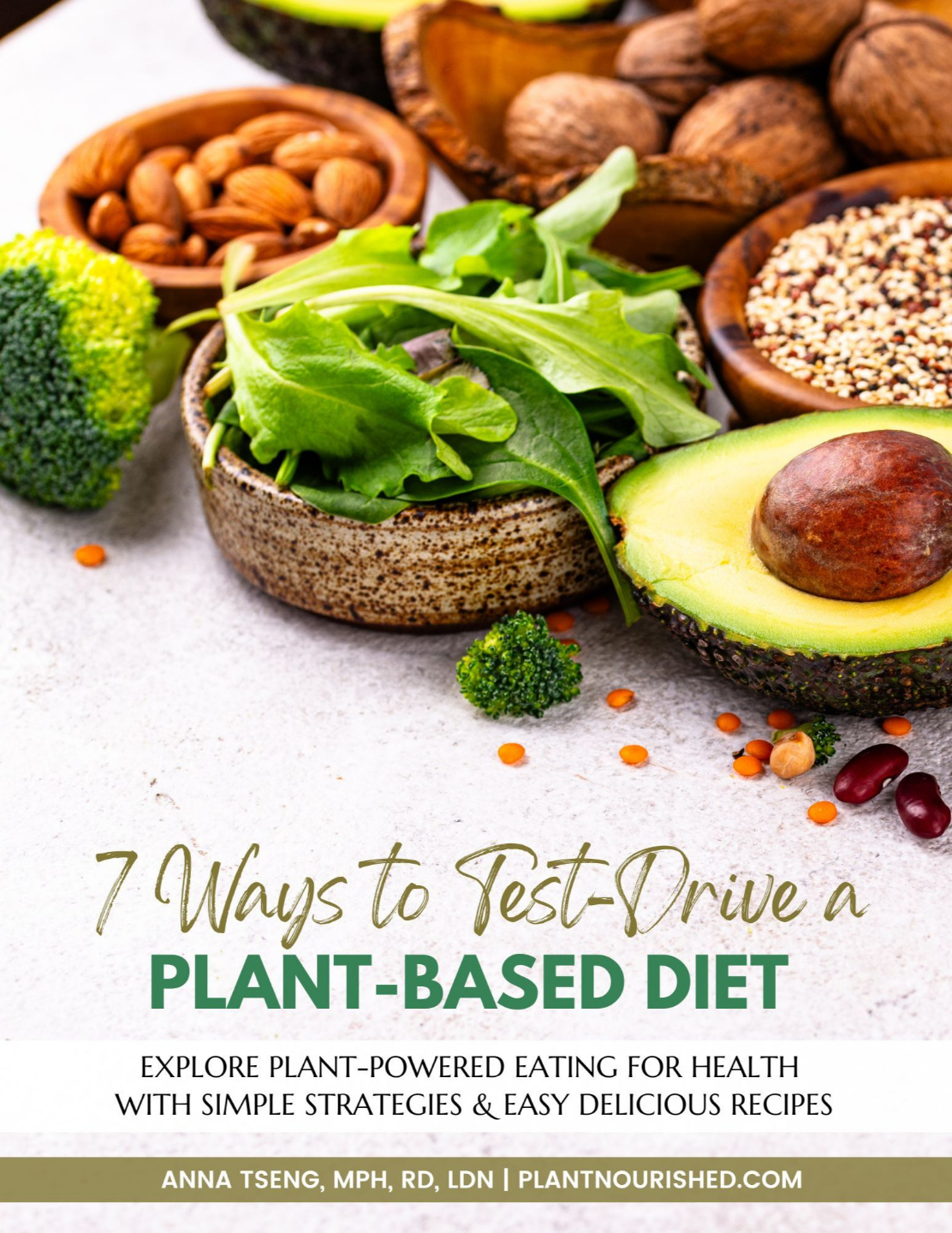
Free Resource -> 7 Ways to Test-Drive a Plant-Based Diet: www.plantnourished.com/testdrive
Have a question about plant-based diets you would like answered on the Plant Based Eating Made Easy Podcast?
Send it by email (healthnow@plantnourished.com) or submit it by a voice message here: www.speakpipe.com/plantnourished
Help Support this Podcast
If you enjoyed this episode, please take a minute to rate and leave a written review on Apple Podcasts/Itunes Here. This will help this podcast reach and help more people who are wanting to build better health through plant-based eating!
If you have an Apple device, first find the ‘Apple Podcasts’ app on your phone (this will be a purple square icon with white circles on it). Then search for ‘plant based eating made easy’ and my podcast should show up. Click on the image for my podcast, then scroll all the way down (past the 5 star symbols) to the bottom where you should see a link that says ‘write a review’. Click on this link, then write a review and choose a star rating. Then click ‘send’ to submit this review. Thank you! [Still need help? Watch this Video Tutorial to Help You]
Author

